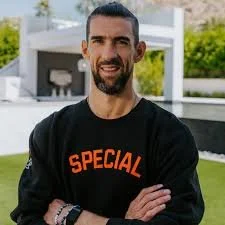
Michael Phelps
Despite being the most decorated Olympian in history, Michael Phelps delt with depression and anxiety. After several Olympic Games, especially after the 2012 London Games, he hit a very low point. He said he “didn’t want to be in the sport anymore. He initially viewed his mental health struggles as a sign of weakness but eventually sought professional help after a second DUI arrest, crediting therapy with saving his life. Today, he is a mental health advocate, openly sharing his story to destigmatize the issue and encourage others to seek help.
Simone Biles
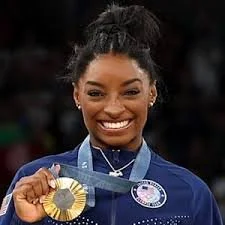
Simone Biles, one of the greatest gymnasts of all time, faced a major mental-health challenge during the 2021 Tokyo Olympics. She began experiencing the “Twisties”, a dangerous mental block where a gymnast loses awareness of their body in the air. Simone related this issues to stress, anxiety, and pressure. To protect her mental and physical health, she made the difficult decision to withdraw from several events. She said that as athletes, people often expect them to be “superhuman,” but she wanted to show that mental health comes before medals. After stepping back, she focused on therapy, recovery, and support from her team. Her openness sparked a global conversation about mental health in sports and helped reduce stigma around athletes asking for help or taking breaks.
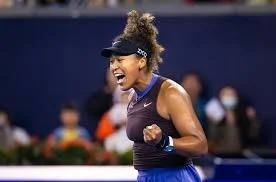
Naomi Osaka
Naomi Osaka’s struggles with mental health became widely known during the 2021 French Open, when she announced she would not participate in mandatory press conferences because they triggered her anxiety and worsened her depression. After being fined and criticized, she withdrew completely from the tournament to protect her mental well-being. Osaka later revealed that she had been dealing with long-term depression and severe anxiety since winning the U.S. Open in 2018. By speaking openly, she helped normalize conversations about athlete mental health and showed that taking breaks for emotional well-being is a valid and courageous choice.